Notes on Transitional Dressing
Dressing for the In-Between
The weeks between seasons rarely behave as expected. A cool morning becomes a warm afternoon; sunlight disappears behind wind; a coat feels necessary at breakfast and excessive by lunch.
Transitional dressing begins with accepting that uncertainty rather than trying to defeat it. The most useful outfits are not built for one temperature but for movement between several. They can be adjusted quietly as the day changes, while still looking deliberate from the first layer to the last.
Layers that can leave without changing the idea.
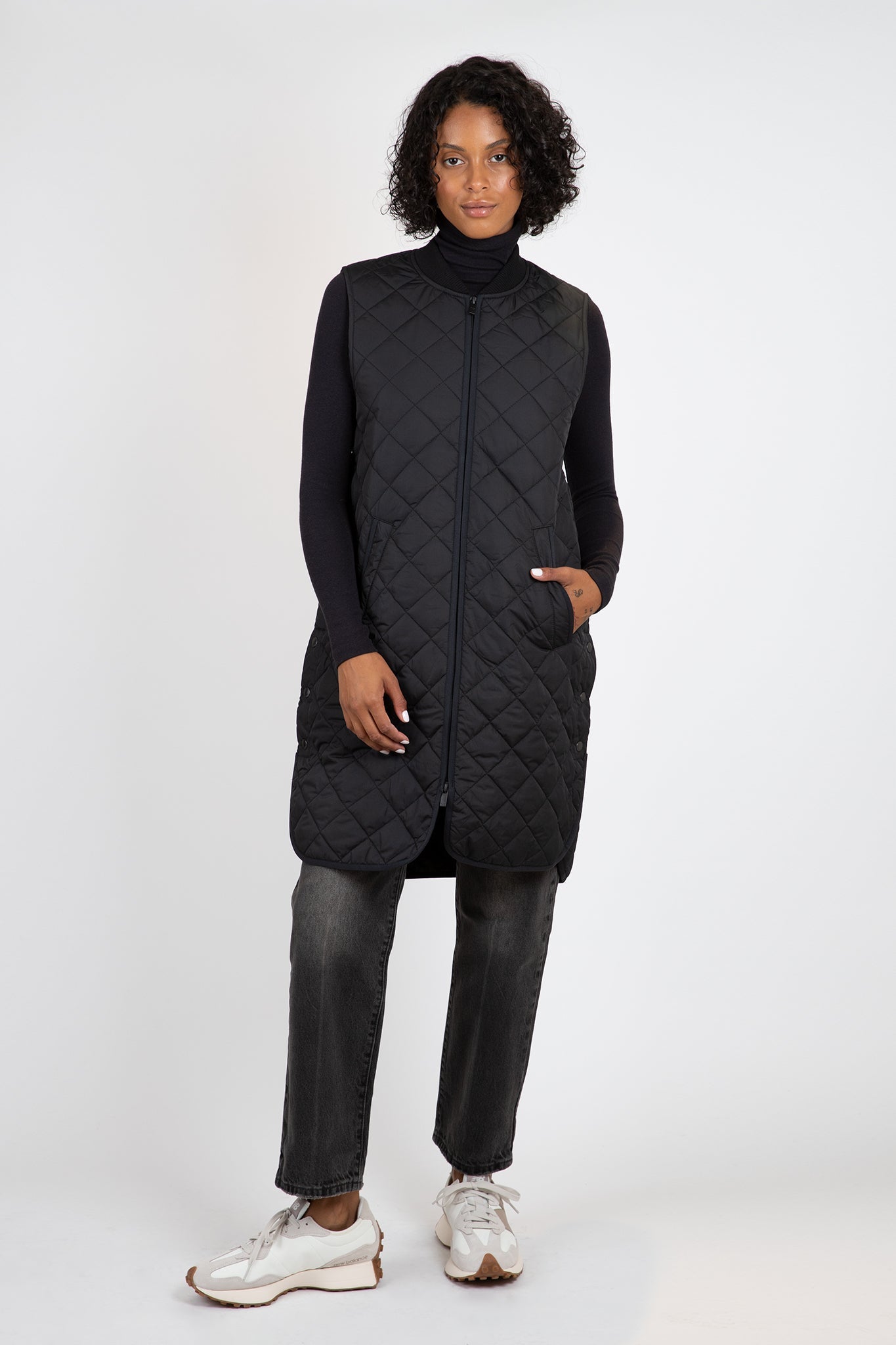
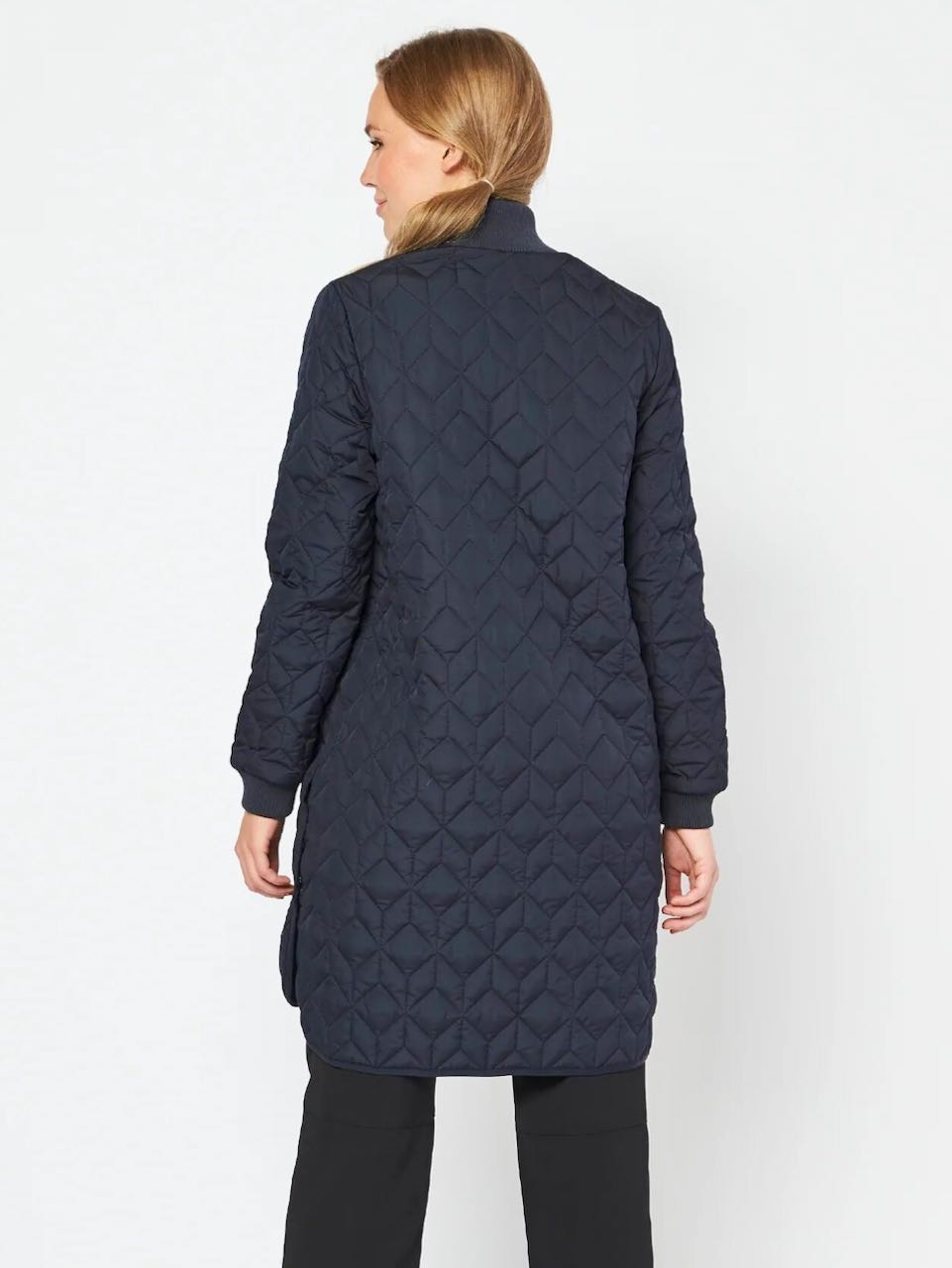
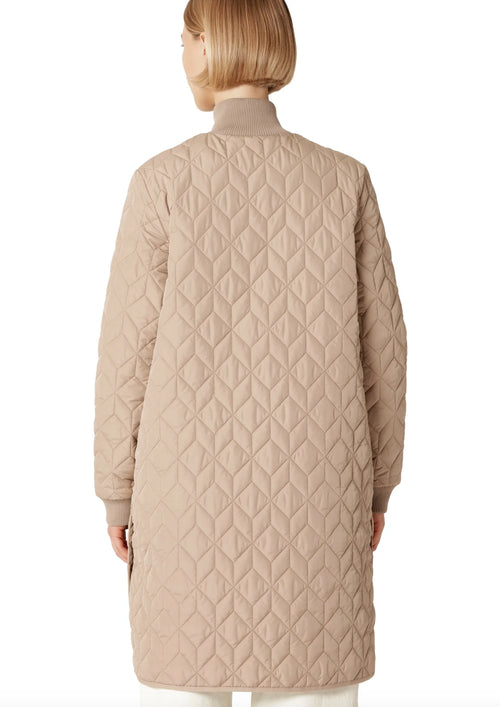
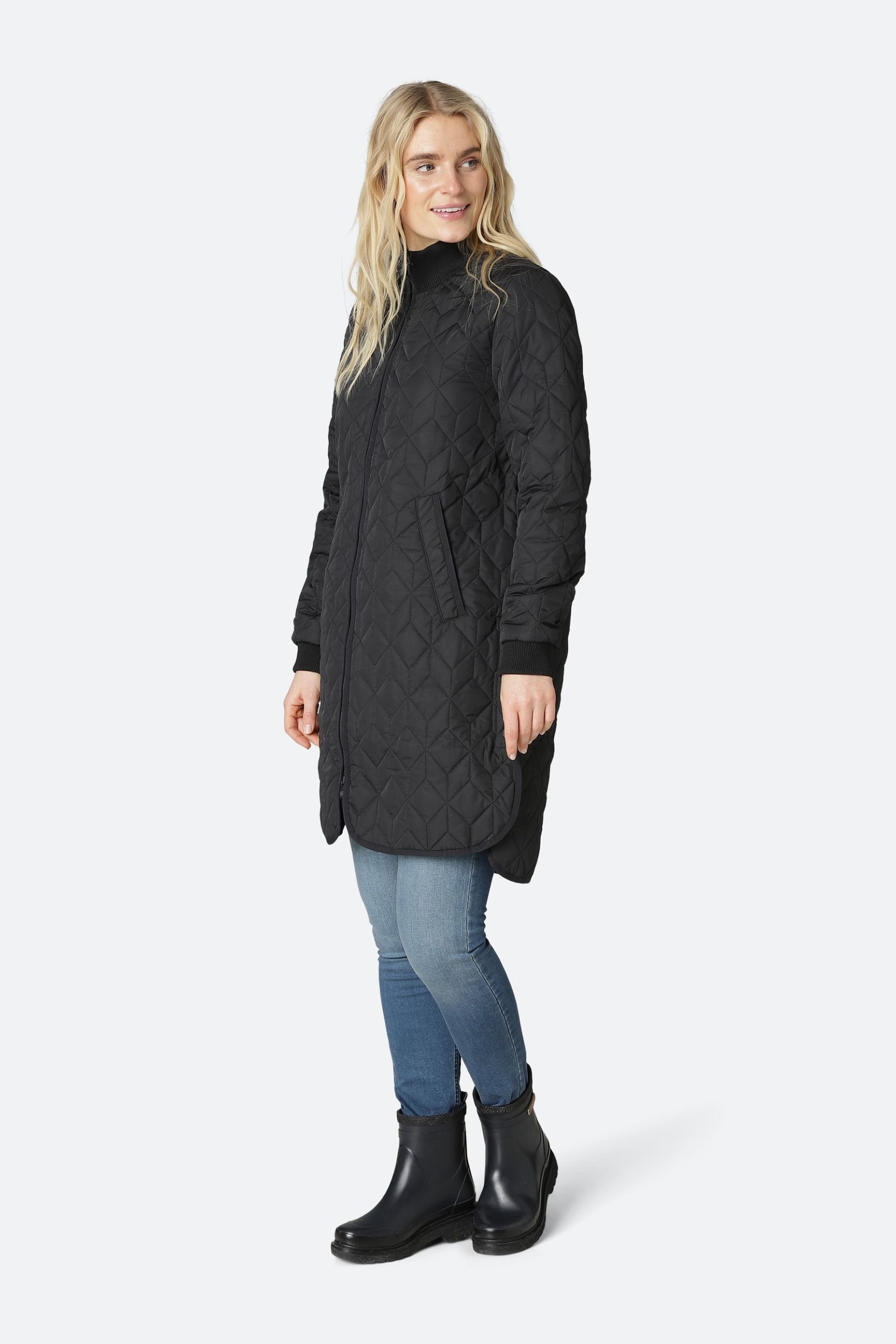
Good transitional layering is less about adding more clothes and more about choosing layers that can disappear gracefully. A fine knit beneath a relaxed jacket, a shirt under a sleeveless dress, or a light trench over a soft jersey base gives the outfit several possible temperatures without creating visual bulk.
Each layer should make sense on its own. When the jacket comes off, the remaining outfit should still feel complete. When a cardigan is tied around the shoulders or carried over an arm, it should still belong to the same visual language rather than looking like an emergency addition.
Let fabrics belong to more than one season.
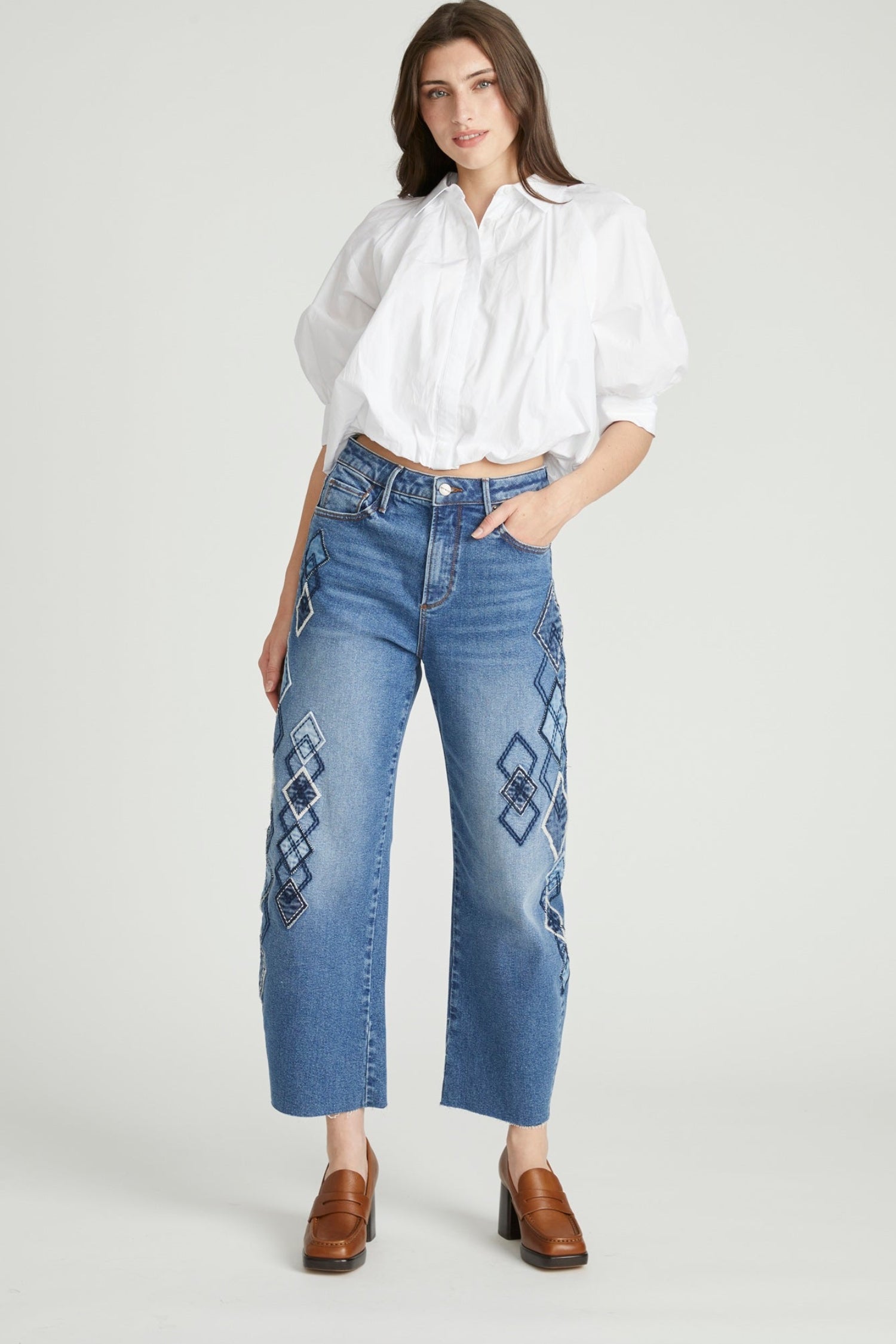
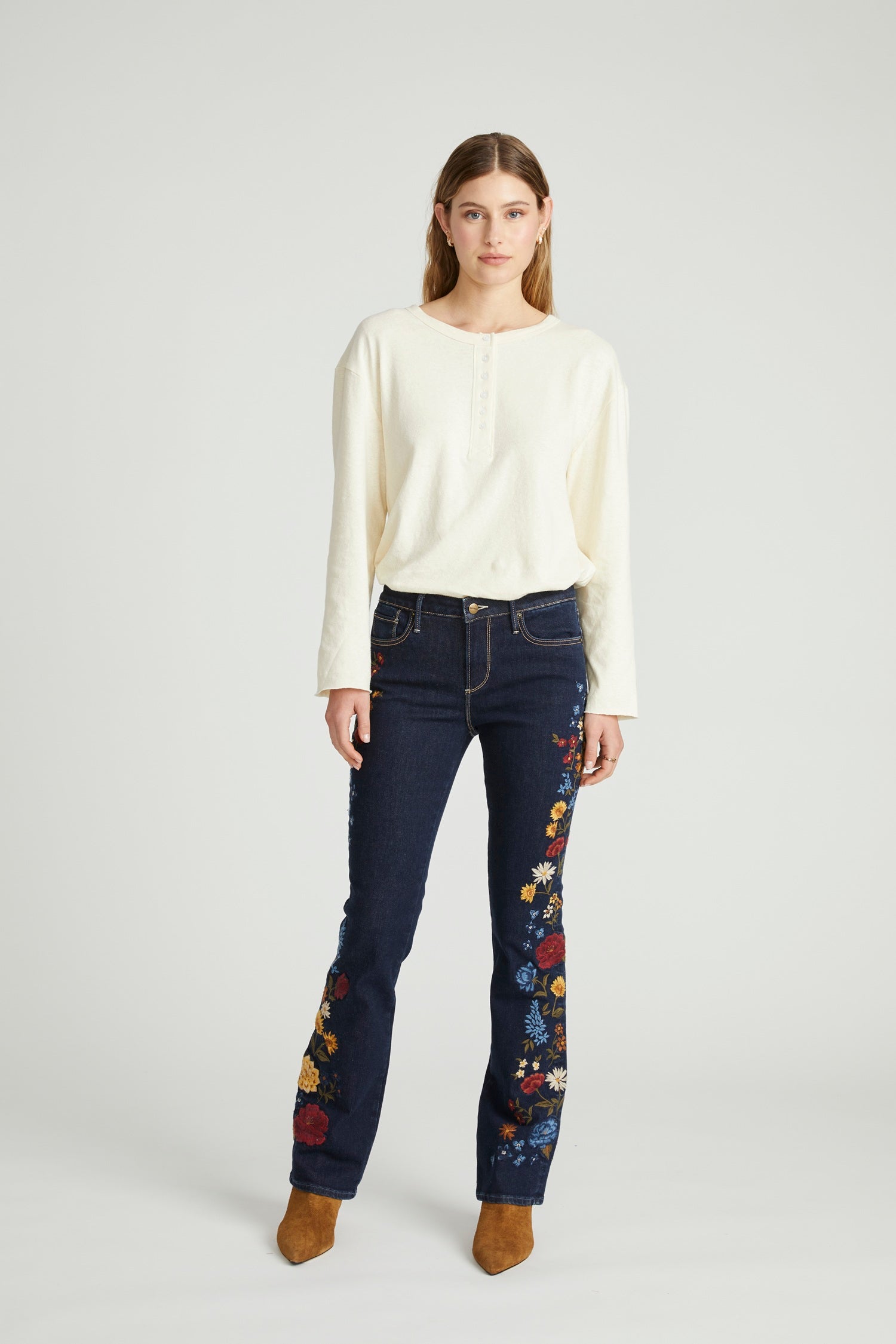
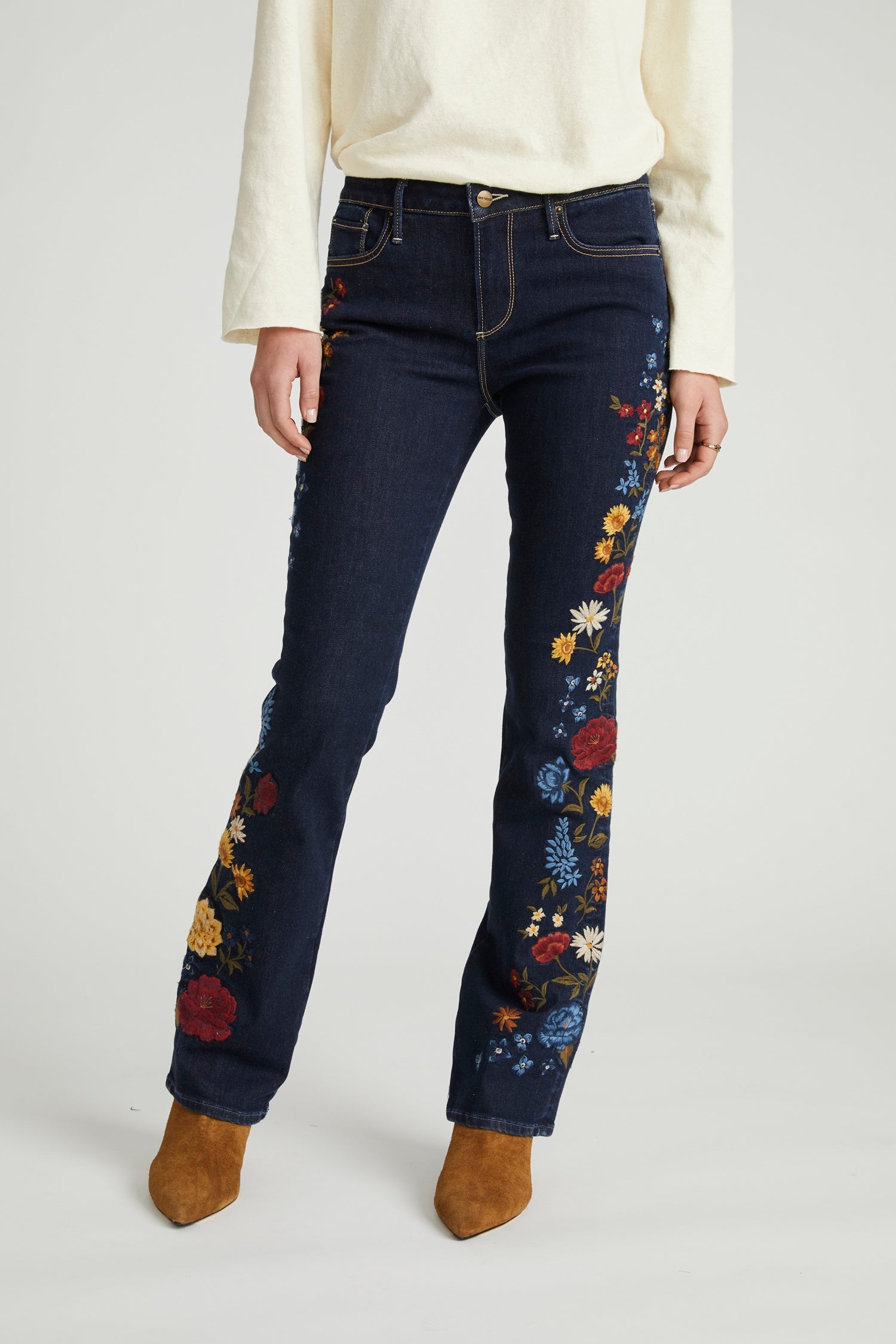
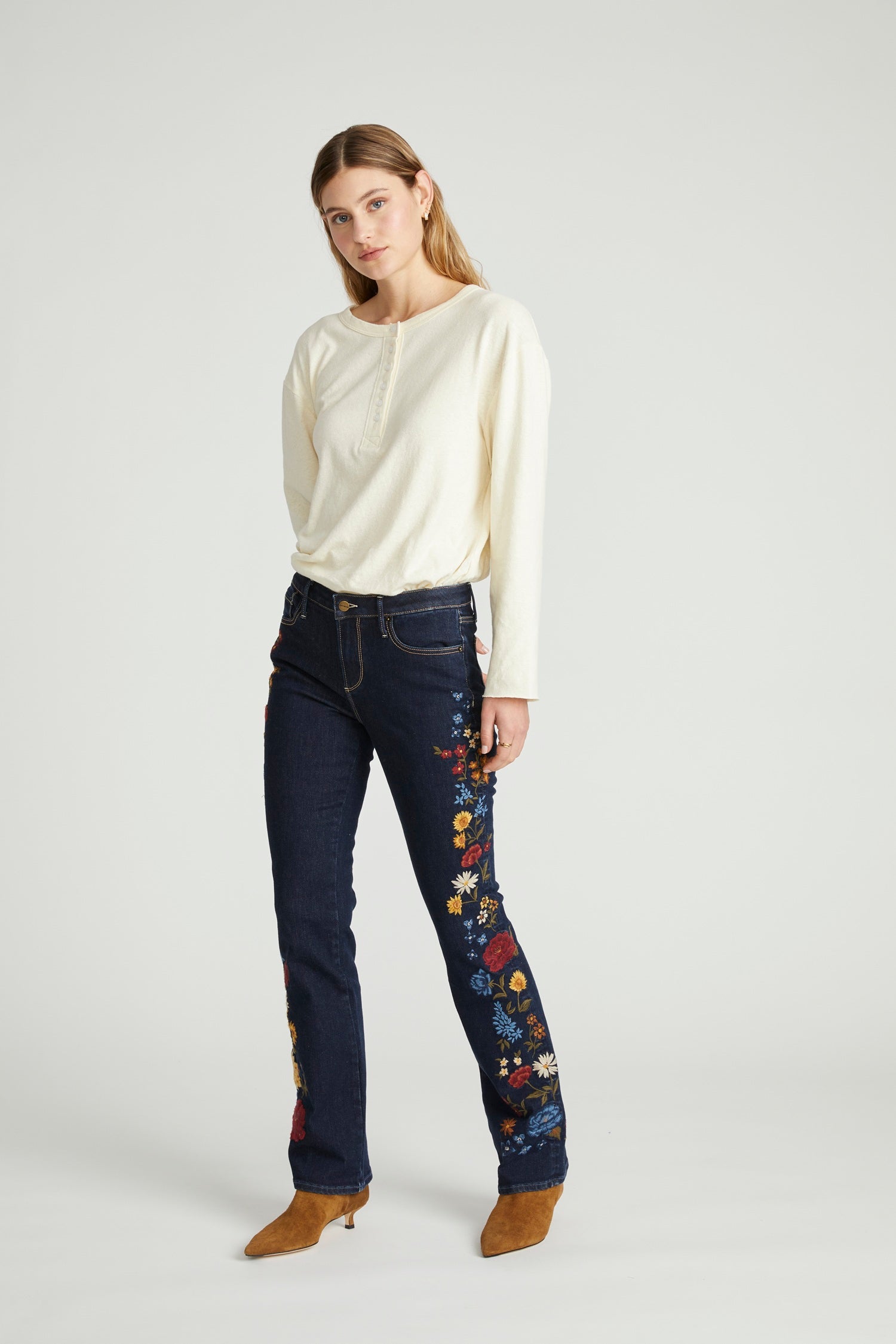
Seasonal dressing becomes more flexible when fabric choices are allowed to overlap. Crisp cotton can sit beside lightweight wool. Linen can continue beyond summer when paired with a fine knit or closed shoe. Soft denim works beneath a tailored coat just as easily as it does with a rolled sleeve and bare ankle.
The key is weight. Fabrics that breathe yet have enough substance to hold their shape are particularly valuable between seasons. They create warmth through layering rather than insulation alone, which makes the outfit easier to adjust as the day moves between cool and mild.
Color can make two seasons feel like one wardrobe.
The shift from summer to autumn does not require abandoning every pale shade, just as moving from winter into spring does not mean replacing dark tones overnight. Transitional color works best through connection. Warm cream can soften deep brown; faded blue can sit beside rust; charcoal can be lifted by powdery lilac; olive can bridge warm and cool pieces without becoming the focus.
Instead of dividing the wardrobe into separate seasonal palettes, look for colors that can change character according to what surrounds them. A pale shirt feels summery beside linen but more grounded beneath dark tailoring. A raspberry accent can energize winter charcoal or add depth to soft spring neutrals.
This continuity is particularly useful during the weeks when the weather itself has no clear identity. Color gives the outfit cohesion even when the fabrics and layers belong to different moments of the year.
Keep the proportions visible beneath the layers.
Multiple layers can quickly erase shape. The answer is not necessarily tighter clothing, but clearer proportion. If the outer layer is long and generous, something underneath can provide definition through a shorter hem, a visible waist, a straight trouser line, or a narrower sleeve.
Likewise, a voluminous skirt often benefits from a cleaner upper half, while wide trousers can feel more intentional beneath a cropped jacket or a neatly tucked shirt. The eye needs somewhere to understand the silhouette, particularly when several textures and lengths are present at once.
Footwear decides how seasonal an outfit feels.
Shoes often carry more seasonal meaning than the rest of the wardrobe. A dress with a light flat can read entirely differently when worn with a loafer or ankle boot. Cropped trousers can move between warm and cool weather simply by changing the amount of ankle they reveal.
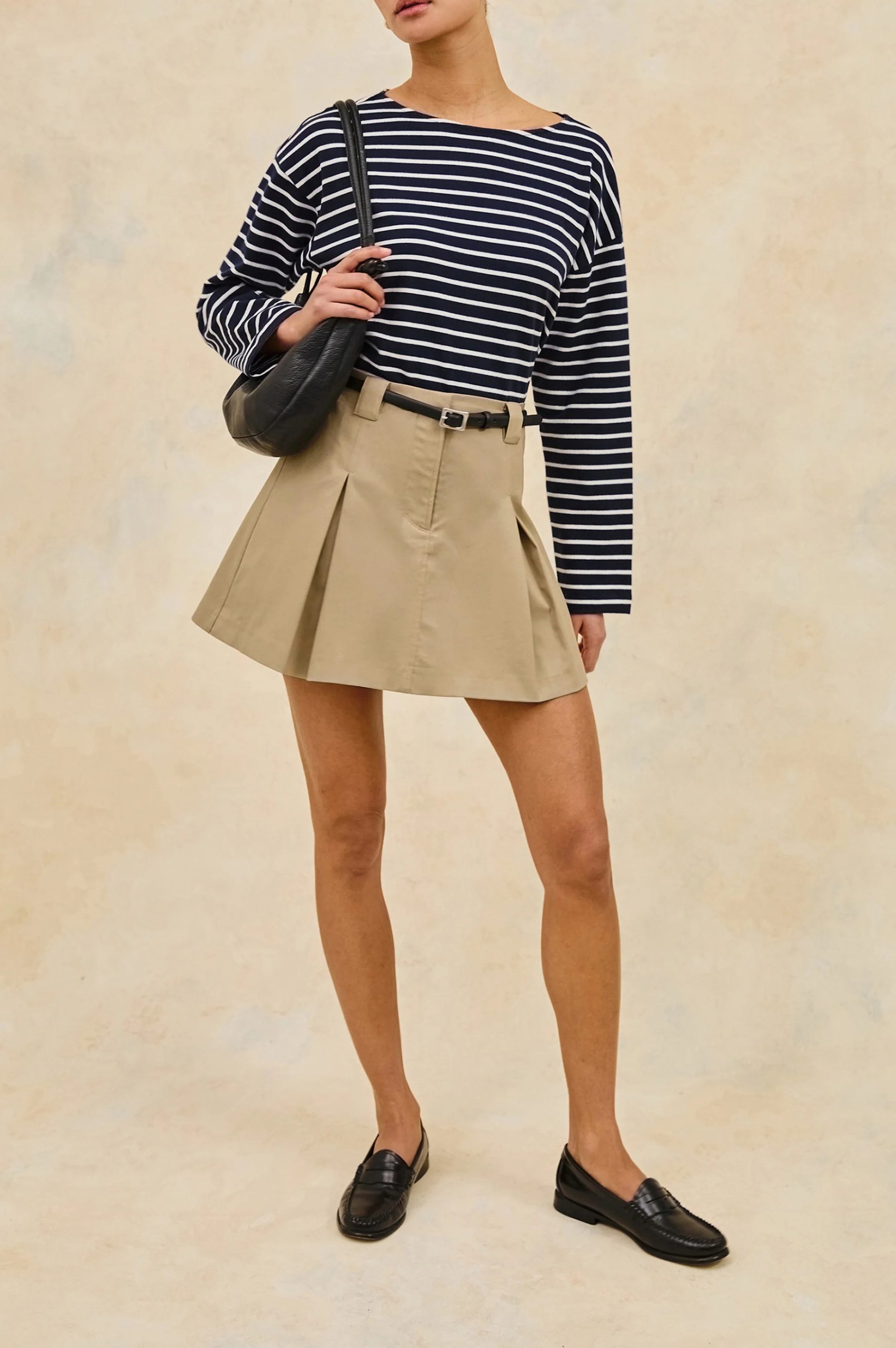
The most useful transitional footwear offers coverage without heaviness: refined loafers, slim boots, leather flats, structured trainers, or low heels that can move comfortably through unpredictable weather. These options give lighter clothing more substance and prevent heavier layers from feeling prematurely wintry.

The best transitional outfit does not look prepared for every possible forecast. It simply has enough flexibility to remain itself when the weather changes.
Use contrast to keep practical dressing expressive.
Practical clothing does not need to become visually cautious. In-between weather is an ideal moment for contrasts that might feel unnecessary in more extreme seasons: a transparent layer beneath a dense jacket, a soft knit with a crisp skirt, a tailored trouser with a relaxed cotton shirt, or a delicate dress grounded by substantial footwear.
These pairings create interest without requiring decoration. They also allow familiar clothes to take on a different character. The summer piece gains structure; the cooler-weather piece gains lightness. Together they occupy the middle ground naturally.
Build formulas that survive a changing day.
A dependable transitional wardrobe is often built around a few repeatable formulas rather than endless combinations. A lightweight knit, relaxed trouser, soft jacket, and loafer can carry many different colors and textures. A midi dress, fine cardigan, trench, and ankle boot can move comfortably through a day that begins cool and ends warm.
The value of a formula is not uniformity. It is confidence. Once the proportions are familiar, individual pieces can change without disrupting the logic of the outfit. One day the jacket may be tailored; another day it may be a soft overshirt. The structure remains recognizable while the personality stays free to move.
Material Memory
Architecture leaves a memory of proportion, surface, and light long after the place itself disappears from view. Clothing translates those impressions into structure, tactility, movement, and a rhythm that belongs equally to the city and the body.
STRUCTURE
TACTILITY
MOVEMENT
C.41 / A.08
M.27 / S.14
F.62 / R.19
The collection lives where built form becomes soft: a seam echoing a facade, a fold carrying the memory of glass, and a silhouette moving through the same measured rhythm as the street.